
Memo Review of President Reagan's memo to Domestic Policy Council Members, 06/25/1987
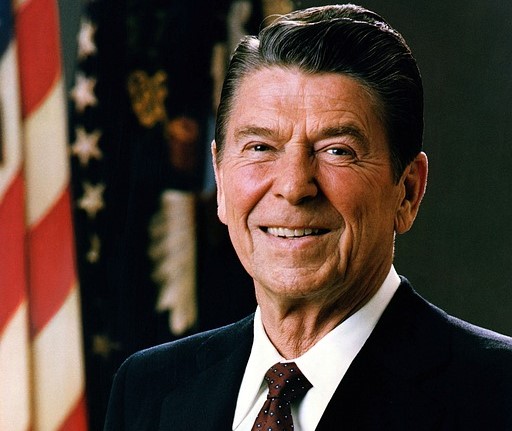
In 1987, President Ronald Reagan wrote a memo to the Domestic Policy Council to provide
direction on protecting the ozone layer ahead of international negotiations. While President
Reagan does not open with a clearly defined problem, the issue is evident throughout―the U.S.
needs to push for an effective global agreement to reduce ozone depleting chemicals while
keeping the terms politically and economically realistic.
The memo is kept to two pages and it is logically organized: it begins with the policy objective,
follows with the need for international cooperation, and concludes with regulatory standards
and criteria. The memo opts not to spell out the rationale and data behind regulatory standards
and reduction goals, making it unclear why ozone regulation is important. The memo instead
relies on the identity of its author and its directiveness: it doesn’t tell the Domestic Policy
Council what they could or should do, it tells them what they will do.
No options are given since Reagan’s memo objective is singular―to mandate the U.S.
delegation’s negotiations―but it recognizes trade-offs between environmental protection and
industrial competitiveness, and it provides clear criteria for negotiation, international
participation, industrial protection, and fairness toward developing nations.
Overall, Reagan’s memo delivers concise instructions to the delegation. However, the document
itself is not entirely compelling when read in isolation, as it is the outcome of many scientific,
economic, and diplomatic discussions regarding ozone protection. The tone is formal, assertive,
and low-context to avoid miscommunication. This is well suited to the task of informing
negotiators of their job at the table, but the President’s impact could have been even greater had
he reminded readers of the global importance of rapidly reaching an agreement